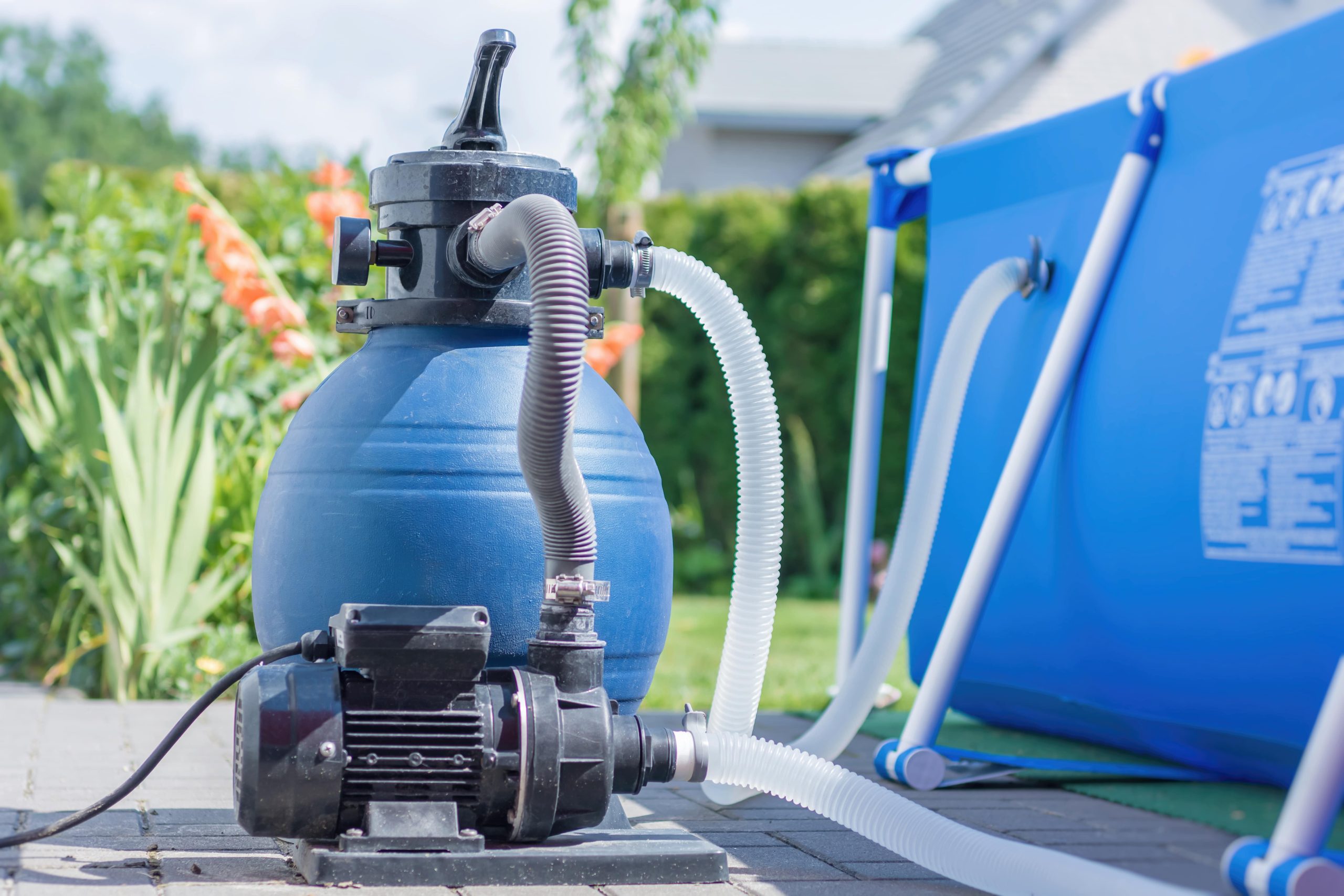
A pool filter that is not holding pressure, or water that is cloudy despite a pump that runs fine, usually points back to the filter itself. Pool filter services in Cape Coral, FL cover all three filter types used in this area: sand, cartridge, and DE, each with different failure points and maintenance needs specific to that design. Real Nice Pools diagnoses which type you have and what is actually wrong before recommending a repair or a full replacement, since the three types fail differently.
WHAT CAN WE DO FOR YOU?
Swimming pool filter services in Cape Coral are one part of what Real Nice Pools handles day to day. Here is the full menu, from sand filter service and cartridge work through renovation, pump repair, heaters, plastering, and new construction, so you can see where filtration fits alongside everything else that keeps a Cape Coral pool running properly through every season, humid summers and mild winters alike, year after year without fail.

Pool renovation covers resurfacing, tile work, and structural repairs that go well beyond filtration: cracked plaster, stained coping, and a shell that needs resetting entirely. If a filter problem turns out to be a symptom of a bigger renovation need, that gets flagged honestly instead of patched around indefinitely with a temporary fix.
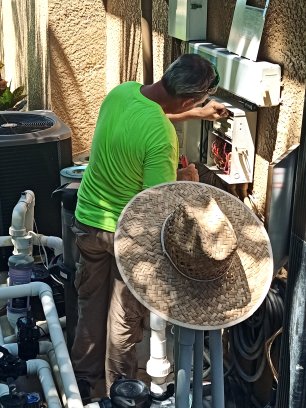
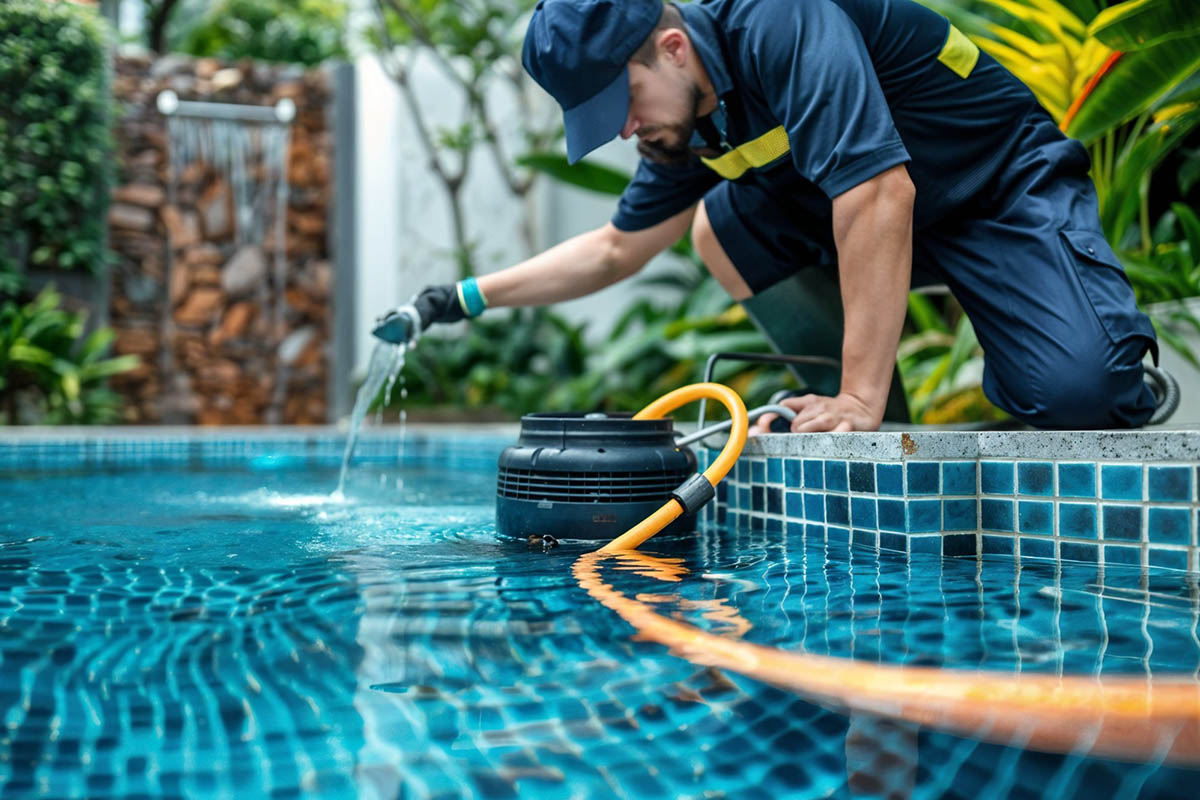
Pool pump repair and filter service often get called together, since a struggling pump and a clogged filter produce nearly identical symptoms: weak circulation, cloudy water, and a pool that never quite looks right no matter what you try. A tech checks both before assuming either one is the actual cause of the problem, since guessing wrong wastes a visit.

Pool heaters run on gas, electric resistance, or heat pump technology, three systems that fail differently from each other and from anything filtration-related entirely. A heater that is not warming the water is a separate diagnosis from a filter that is not holding pressure the way it should, even though both feel equally urgent to a homeowner.
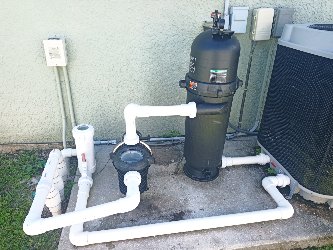
Pool Filter Repair in Cape Coral starts with identifying which of three filter types you actually have: sand, cartridge, or DE. Each swimming pool filter type fails differently, a cracked tank, a torn cartridge, or a broken lateral, and it gets diagnosed by pressure gauge readings before any part gets replaced or repaired unnecessarily on the wrong assumption.

Pool plastering addresses the interior finish specifically: roughening, staining, and wear that build up over ten to twenty years depending on water chemistry and how consistently it has been balanced. It is a different scope than filtration entirely, though poorly balanced water that stresses plaster often stresses filter media too.

Pool construction covers new builds and major additions like a spa or sun shelf, which come with their own permitting process through Lee County before any digging ever starts on the property itself. A new pool also means choosing filtration equipment from scratch, sized correctly from day one instead of retrofitted later on down the road.
LEARN MORE ABOUT US
Pool filter replacement in Cape Coral becomes the right call once repair costs approach what a new unit costs, or a tank cracks somewhere that cannot be patched. Pool filter maintenance beyond a basic backwash or rinse, rebuilding laterals, and upgrading filter type fall under Florida’s full contractor license, the same credential covering renovation and pump work. Pool system maintenance here has to account for local water chemistry and heat, both of which shorten filter media life compared to cooler climates further north. Commercial pool filter service, HOA, and rental properties deal with higher turnover than a backyard system, and a commercial quote should never be built on residential assumptions. Coverage runs across Cape Coral and Lee County.
A pool filtration system in Cape Coral only works when every part of it gets diagnosed together, not just whichever piece happens to be easiest to blame first without checking any further into it beforehand at all costs whatsoever. Here is what four parts of getting pool water filtration right actually look like once you are trying to figure out why the water will not clear up no matter what you try, backwash after backwash, week after week.
Pool Equipment Maintenance Gets Diagnosed by Type First, since problems that look identical from the pool deck often trace back to completely different root causes underneath the surface.
Residential pool filter service here means a tech who has worked your specific filter type before, Not Someone Learning on the Job While Your Pool Sits Cloudy and Unusable in the meantime.
If you are mid-renovation or building new, pool filter installation gets sized to the actual pump and pool volume, not whatever unit happens to be sitting in the truck that particular day.
Pool equipment repair work goes through Florida’s full contractor licensing scope, the same requirement covering renovation and construction, not a lesser registration of any kind whatsoever.


 Verified
 Verified
 Verified Verified
 Verified
 Verified
 Verified
Real Nice Pools built its pool filter services in Cape Coral on getting the filter type right before touching anything, not guessing between sand, cartridge, and DE and hoping the fix matches what is actually installed on the equipment pad. Cape Coral’s water carries more mineral content than some inland Florida markets, and that shows up first in filter media and housing wear before it ever affects the rest of the pool system. A misdiagnosed filter problem often gets handled with a pump repair that changes nothing, which costs money without fixing what is wrong, and the cloudy water comes right back within a week or two. Quotes list parts and labor by filter type specifically, so a cartridge swap and a sand filter valve rebuild never get priced the same way by accident.
Cape Coral’s warm climate doesn’t mean your pool stays comfortable all year. When a cool snap hits or your spa feels more like a bucket of tap water, Real Nice Pools, Inc. steps in with pool heater installation, repair, and tune-ups for gas, electric, and heat pump systems. We work with homeowners across Cape Coral, Matlacha, Pine Island, North Fort Myers, and Fort Myers, diagnosing weak heating, ignition faults, and tripped controls, then getting your water back to a swim-ready temperature without the guesswork. Call today for a straightforward estimate.
Pool water not clearing up no matter what you try? Call (239) 989-6181 and describe what you are seeing: high or low pressure on the gauge, cloudy water despite regular backwashing, or a filter that is visibly cracked or leaking somewhere around the tank or valve assembly right now. Mention which filter type you have if you know it, sand, cartridge, or DE, since that changes which parts and tools a tech brings to the job before ever stepping foot on your property or opening up the equipment pad to take a closer look at things. Pricing gets confirmed before any work starts, and if the actual fix is a full replacement rather than a repair, that gets explained clearly so you understand why before agreeing to anything at all.
We work with gas heaters, electric resistance units, and heat pumps. Gas heats fastest, while heat pumps cost less to run in Southwest Florida’s mild weather. We’ll look at your pool size, usage, and budget, then recommend the type that fits your Cape Coral home best.
Many homeowners skip heaters, then regret it on a chilly January morning. A heater extends your swim season, keeps a spa comfortable at night, and helps water stay steady after cold fronts. If you swim year-round or entertain often, it’s a worthwhile upgrade.
Watch for water that stays cool, a heater that clicks but won’t fire, error codes, strange noises, or water pooling beneath the unit. Frequent shutoffs are another warning sign. Early diagnosis usually costs less than waiting until a small fault damages the heat exchanger or control board.
It depends on the heater type, pool volume, starting temperature, and weather. A gas heater may warm a pool a few degrees within hours, while a heat pump works more gradually, often over a day or so. A solar cover helps either system hold warmth overnight.
Operating cost varies by fuel type, heater efficiency, pool size, and how often you use it. Heat pumps typically run cheaper than gas or electric resistance models in Cape Coral’s climate. Setting a sensible temperature and using a pool cover can noticeably lower your monthly energy bills.
With regular maintenance, most gas heaters last eight to twelve years, and quality heat pumps often reach ten to fifteen. Coastal air and humidity can speed up corrosion, so routine inspections matter. We check burners, sensors, and connections to help your heater reach its full lifespan.
Yes, in most cases. We review your pump, plumbing, electrical supply, and gas line or panel capacity to make sure everything works together safely. If anything needs upgrading, we explain it clearly up front so there are no surprises once installation begins.
We suggest an annual checkup, ideally before cooler months arrive. A visit includes cleaning, inspecting for corrosion, testing the thermostat and ignition, and confirming proper water flow. Catching minor issues early keeps your heater efficient and avoids a cold pool when you want it most.
CONTACT US