A pool heater that used to warm the water overnight and now takes two days, or one that just stopped firing, is usually cheaper to diagnose than most homeowners assume before making the call. Pool heater services in Cape Coral, FL cover gas heaters, electric resistance units, and heat pumps, three technologies that fail in different ways and get repaired differently too. Real Nice Pools works on all three, from a same-visit ignition fix to a full replacement when the heat exchanger is actually cracked.
WHAT CAN WE DO FOR YOU?
Swimming pool heater services in Cape Coral are one part of what Real Nice Pools handles day to day. Here is the full menu, from gas and electric heater work through renovation, pump repair, filtration, plastering, and new construction, so you can see where heating fits alongside everything else that keeps a Cape Coral pool running through cooler months and warm ones alike, year-round without fail regardless of the season or the weather.

Pool renovation covers resurfacing and structural repairs, cracked plaster, stained coping, a shell that needs resetting, which goes beyond anything a heater problem touches directly on its own. If your heater is fine but the pool itself needs work, that gets addressed as its own separate scope rather than bundled in with something unrelated to it.
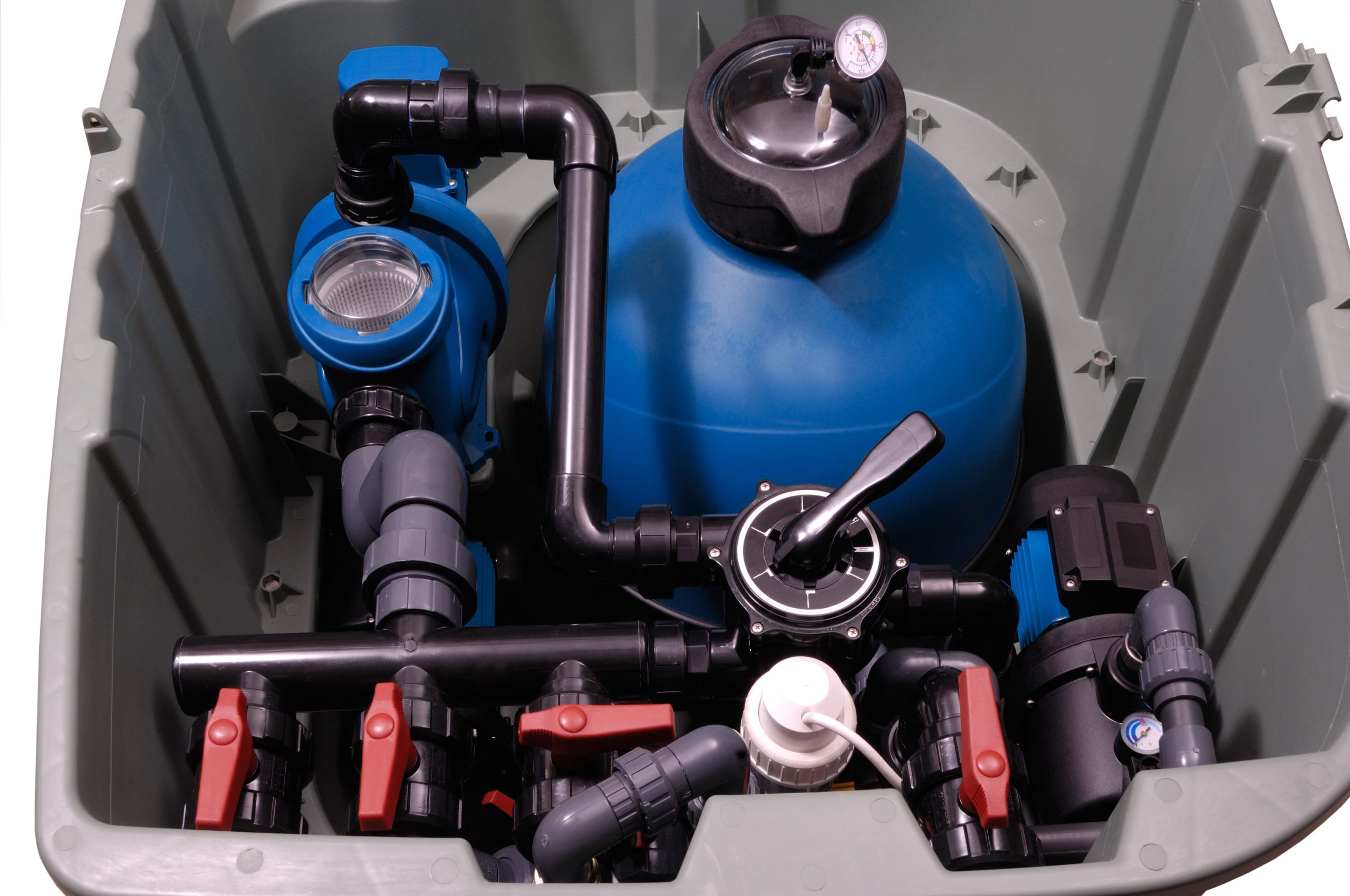
Pool pump repair sometimes gets confused with a heater problem, since a pump that is not circulating water past the heater produces the same symptom: water that will not warm up no matter how long it runs during the day. A tech checks flow rate before assuming the heater itself is what is actually failing here, which saves a wasted part order.

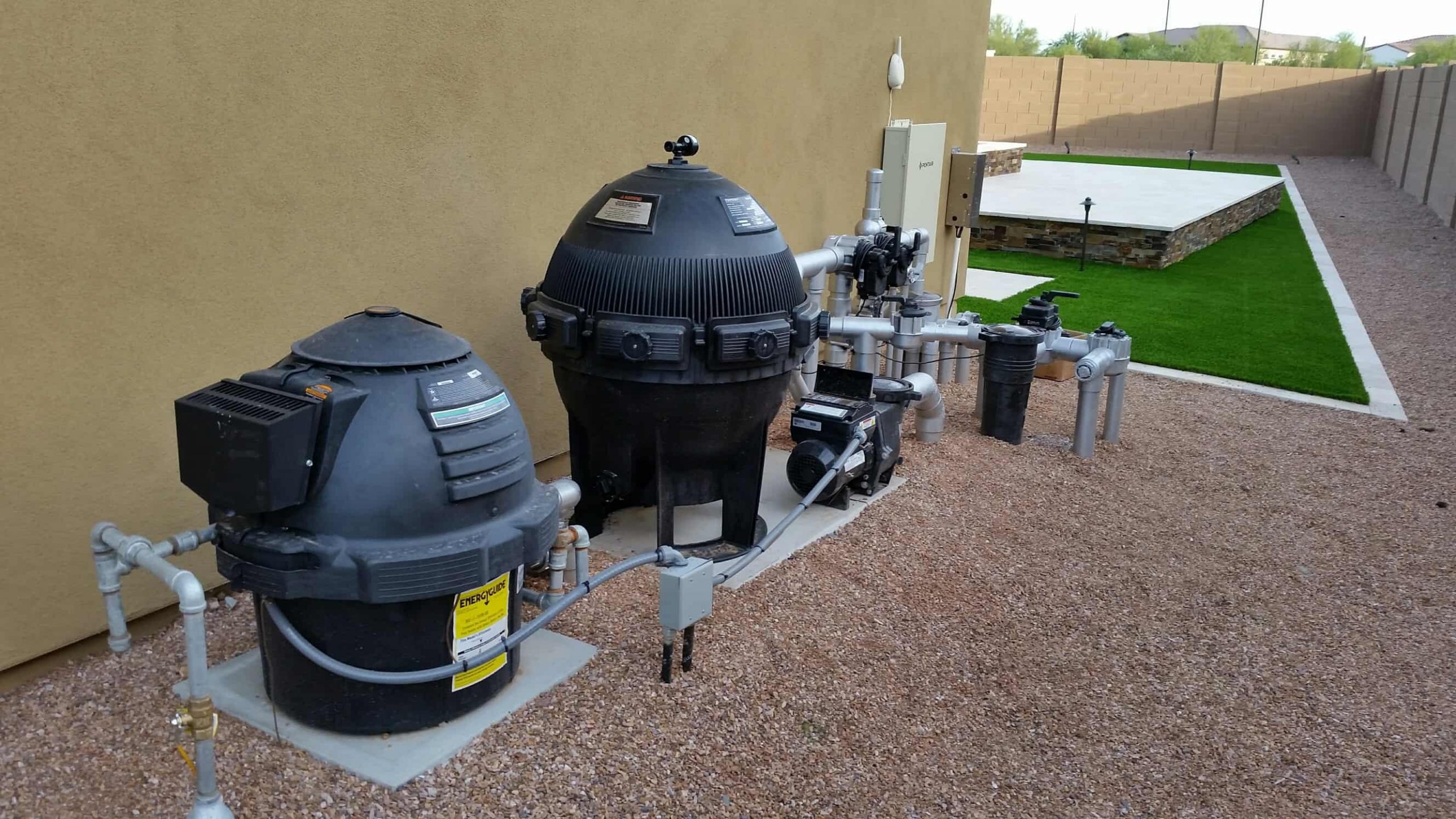
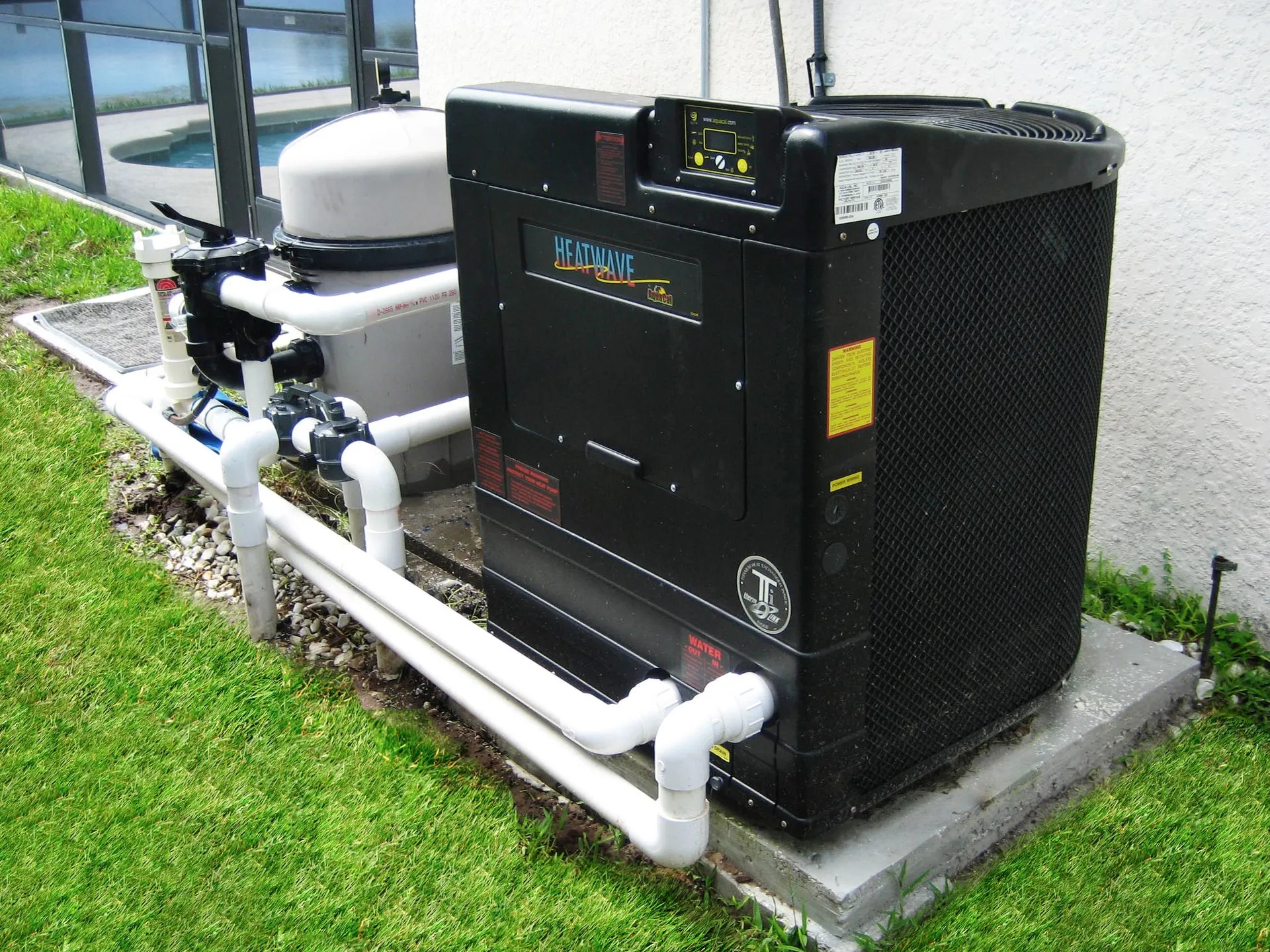
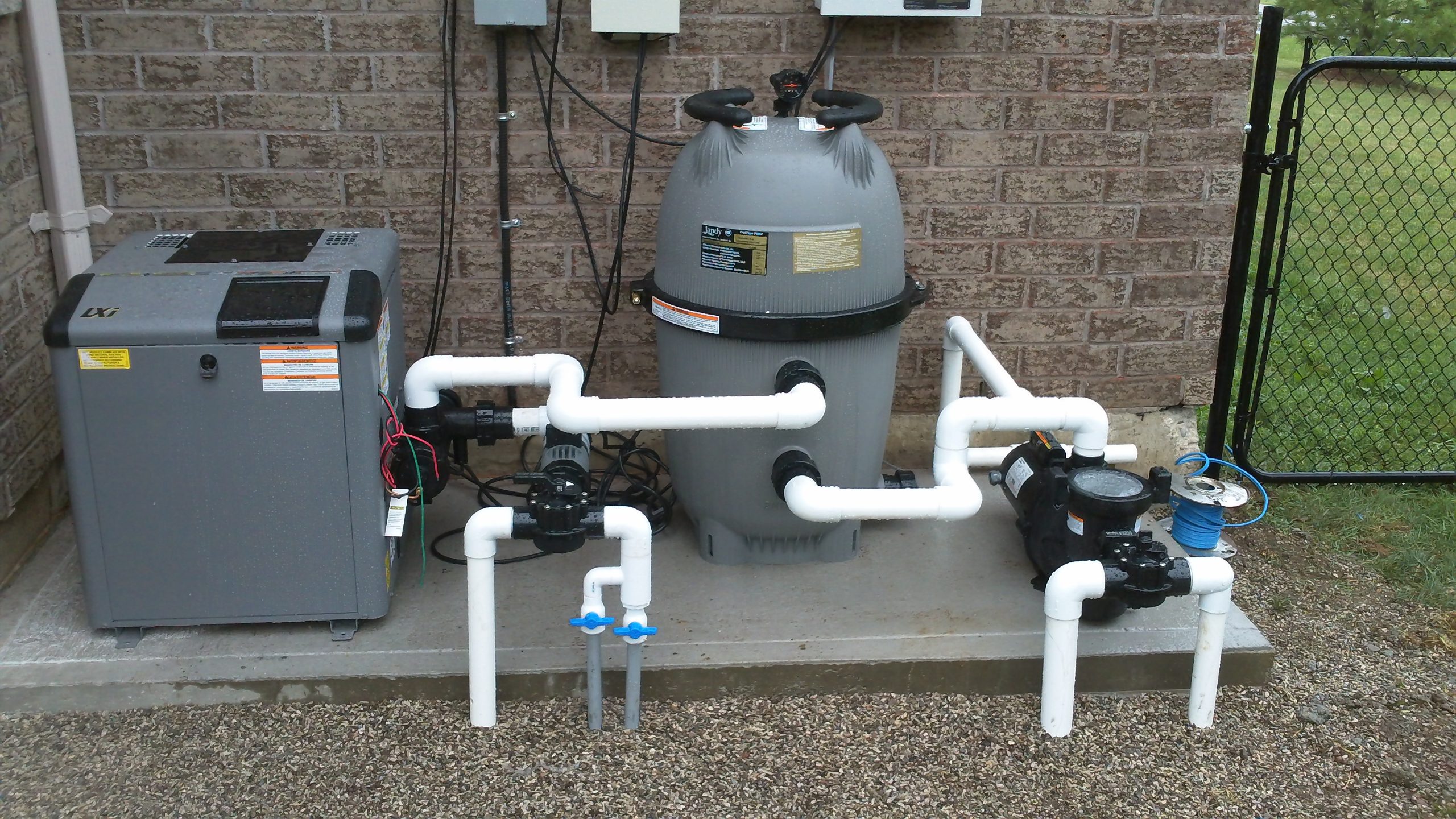
Pool heater repair in Cape Coral starts with identifying the technology: a gas pool heater ignites fast but costs more to run, while an electric pool heater, meaning a heat pump in most cases now, heats slower but far more efficiently. New DOE rules taking effect May 2028 require most electric pool heaters sold to use heat pump technology going forward.
Pool filters and pool heaters fail independently of each other, though both show up as vague complaints like the pool just does not feel right anymore lately. A clogged filter will not stop a heater from working, and a failing heater will not affect water clarity, so the two get diagnosed separately every single time a call comes in.

Pool plastering addresses the interior surface specifically, a wear that builds up over ten to twenty years depending on water chemistry and how consistently it has been balanced over that entire span of time. It is unrelated to heater function, though a heater running hotter than necessary can accelerate certain plaster wear over the years.

Pool construction and major additions like a spa often come with a heater decision built in from the very start of the project itself, since a new build means choosing gas, electric, or heat pump before the concrete is even poured on site, not retrofitting a choice later once everything is already finished, inspected, and signed off on by the county.
LEARN MORE ABOUT US
Pool heater replacement in Cape Coral makes sense once a unit is old enough that repair costs rival a new one, or once a heat exchanger is cracked beyond patching. Pool heater maintenance beyond a basic filter check, igniter cleaning, coil clearing, and refrigerant service falls under Florida’s full contractor license, the same credential covering renovation and pump work. A pool heating system here has to handle salt air off the canals, which corrodes heat pump coils and electrical connections faster than pools inland. Real Nice Pools techs carry parts across all three heater types: gas igniters and thermocouples, heat pump contactors and capacitors, and the sensors that fail regardless of fuel source. Coverage runs across Cape Coral and Lee County.
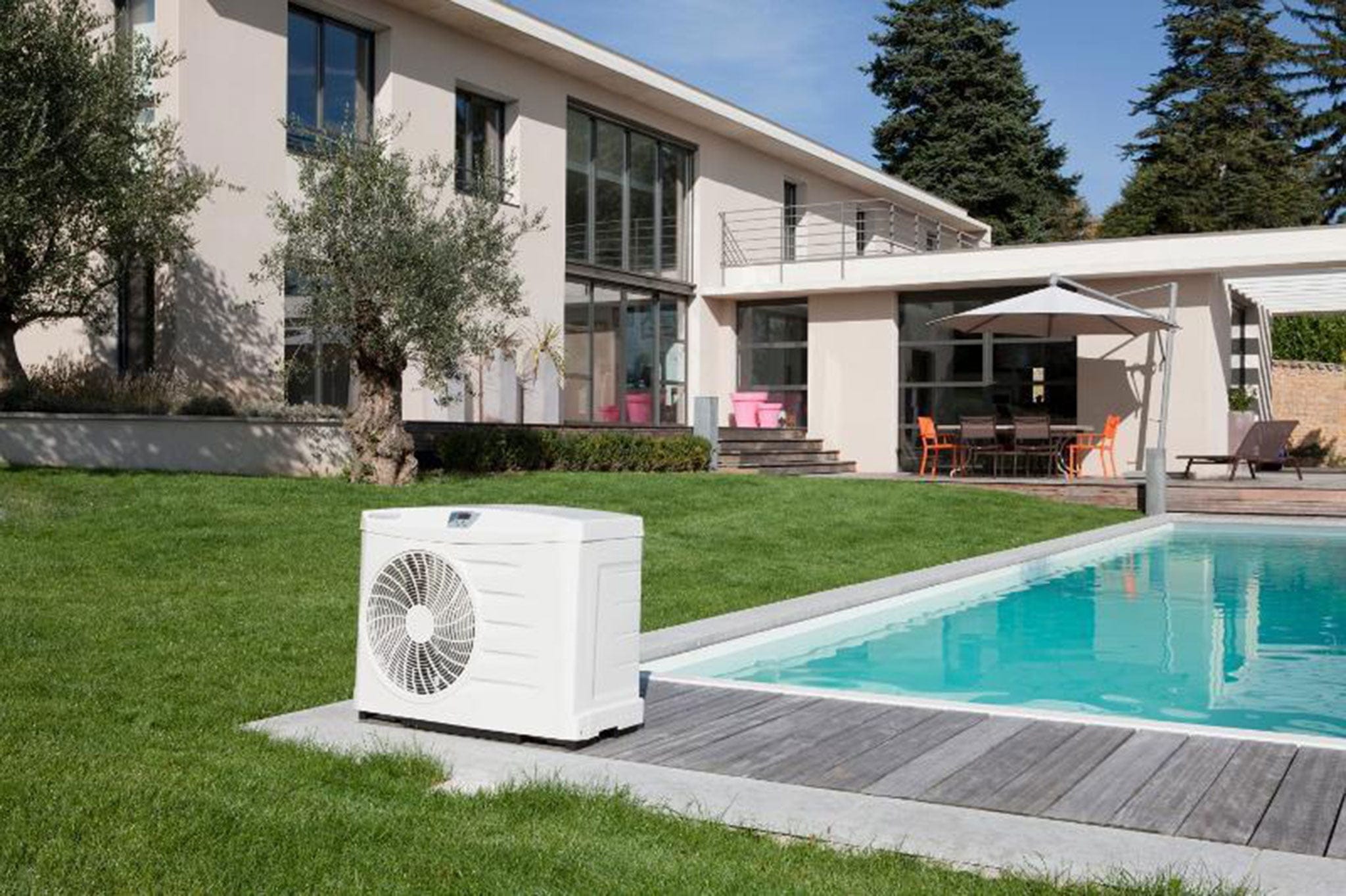
Pool heat pump services in Cape Coral deal with a completely different failure mode than gas units, since a heat pump pulls warmth from surrounding air rather than burning fuel to generate it directly on its own every single time it runs. Here is what four parts of getting that diagnosis right actually look like once you are deciding whether to repair, replace, or switch heater types entirely and want an honest answer instead of an upsell.
Pool Temperature Control Problems Are Not Always the Heater’s Fault. A bad thermostat sensor or an undersized unit for the pool’s surface area can look identical to a failing heater from the outside.
Pool Heater Installation in Cape Coral Gets Sized to Your Pool’s actual volume, Not Whatever Unit Happens to Fit the existing gas line or electrical run already in place before you called.
If your heater is more than eight or ten years old and needs a second repair this year, this fits: a real cost comparison between fixing it again and just replacing it outright instead.
Diagnosis happens before parts get ordered, not after, so a bad thermostat sensor never gets mistaken for and treated like a full heat exchanger replacement costing far more money overall.


 Verified
 Verified
 Verified Verified
 Verified
 Verified
 Verified
Real Nice Pools built its pool heater services in Cape Coral on diagnosing the actual failure point instead of defaulting to the most expensive fix available. Gas heaters, electric resistance units, and heat pumps all fail differently, and treating every complaint the same way means replacing parts that were never the actual problem to begin with. Cape Coral’s canal-front salt air shortens the life of heat pump coils and outdoor electrical components specifically, which means failures here often show up earlier than a manufacturer’s spec sheet would predict for an inland property. Every quote breaks down parts and labor separately, and if a heater is old enough that replacement is the practical choice, that gets said plainly instead of stringing along one more part swap that will not hold.
Cape Coral’s warm climate doesn’t mean your pool stays comfortable all year. When a cool snap hits or your spa feels more like a bucket of tap water, Real Nice Pools, Inc steps in with pool heater installation, repair, and tune-ups for gas, electric, and heat pump systems. We work with homeowners across Cape Coral, Matlacha, Pine Island, North Fort Myers, and Fort Myers, diagnosing weak heating, ignition faults, and tripped controls, then getting your water back to a swim-ready temperature without the guesswork. Call today for a straightforward estimate.
Pool not warming up the way it used to? Call (239) 989-6181 and describe what is happening: it will not turn on at all, run but the water stays cold, or heats and then shuts off partway through the cycle before ever finishing the job properly every single time it runs. Mention your heater type if you know it, gas, heat pump, or electric resistance, since that changes which parts a tech brings out to the job, especially on an older unit that may need something on special order from the manufacturer. Pricing gets confirmed before any work starts, and if a replacement makes more sense than another repair, that gets laid out clearly with real numbers so you can decide instead of feeling pushed into either direction by someone with a quota to hit.
We work with gas heaters, electric resistance units, and heat pumps. Gas heats fastest, while heat pumps cost less to run in Southwest Florida’s mild weather. We’ll look at your pool size, usage, and budget, then recommend the type that fits your Cape Coral home best.
Many homeowners skip heaters, then regret it on a chilly January morning. A heater extends your swim season, keeps a spa comfortable at night, and helps water stay steady after cold fronts. If you swim year-round or entertain often, it’s a worthwhile upgrade.
Watch for water that stays cool, a heater that clicks but won’t fire, error codes, strange noises, or water pooling beneath the unit. Frequent shutoffs are another warning sign. Early diagnosis usually costs less than waiting until a small fault damages the heat exchanger or control board.
It depends on the heater type, pool volume, starting temperature, and weather. A gas heater may warm a pool a few degrees within hours, while a heat pump works more gradually, often over a day or so. A solar cover helps either system hold warmth overnight.
Operating cost varies by fuel type, heater efficiency, pool size, and how often you use it. Heat pumps typically run cheaper than gas or electric resistance models in Cape Coral’s climate. Setting a sensible temperature and using a pool cover can noticeably lower your monthly energy bills.
With regular maintenance, most gas heaters last eight to twelve years, and quality heat pumps often reach ten to fifteen. Coastal air and humidity can speed up corrosion, so routine inspections matter. We check burners, sensors, and connections to help your heater reach its full lifespan.
Yes, in most cases. We review your pump, plumbing, electrical supply, and gas line or panel capacity to make sure everything works together safely. If anything needs upgrading, we explain it clearly up front so there are no surprises once installation begins.
We suggest an annual checkup, ideally before cooler months arrive. A visit includes cleaning, inspecting for corrosion, testing the thermostat and ignition, and confirming proper water flow. Catching minor issues early keeps your heater efficient and avoids a cold pool when you want it most.
CONTACT US