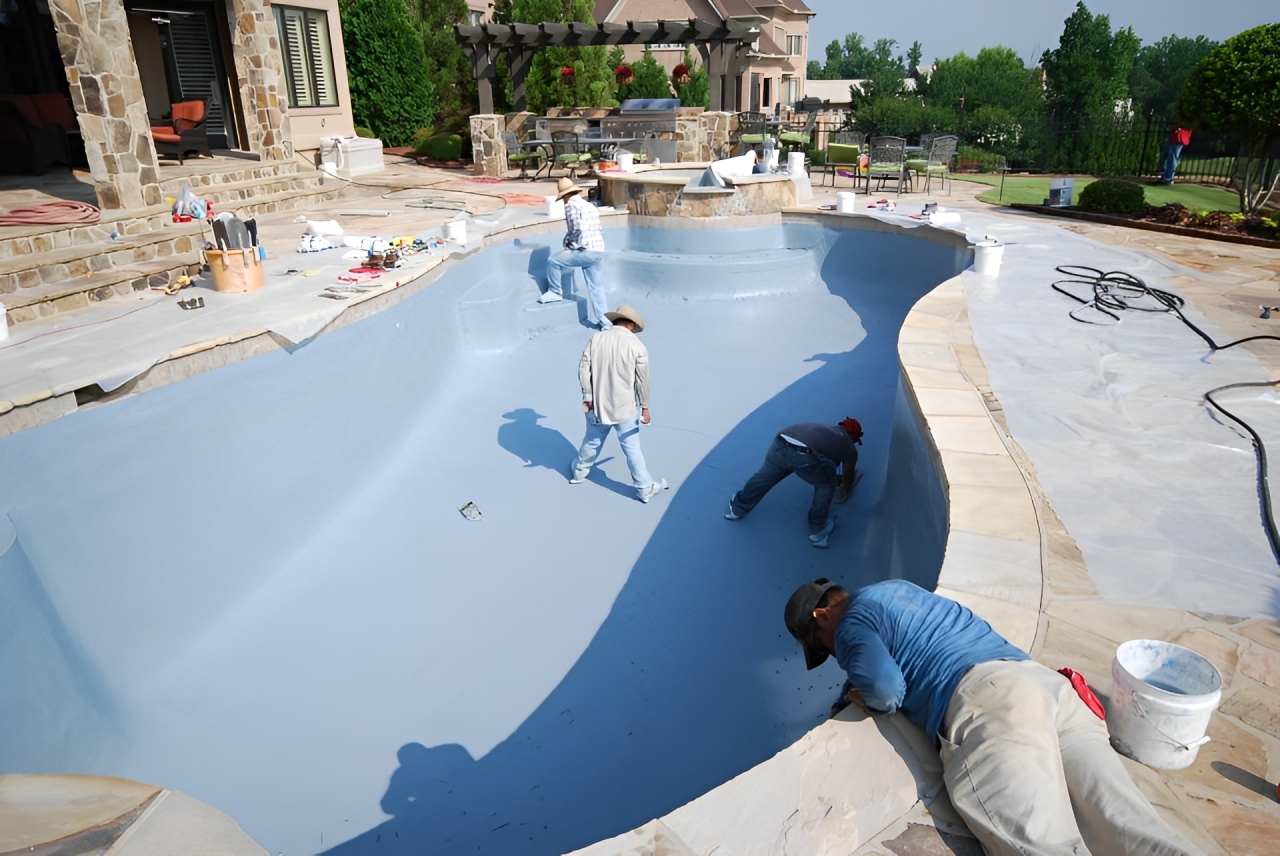
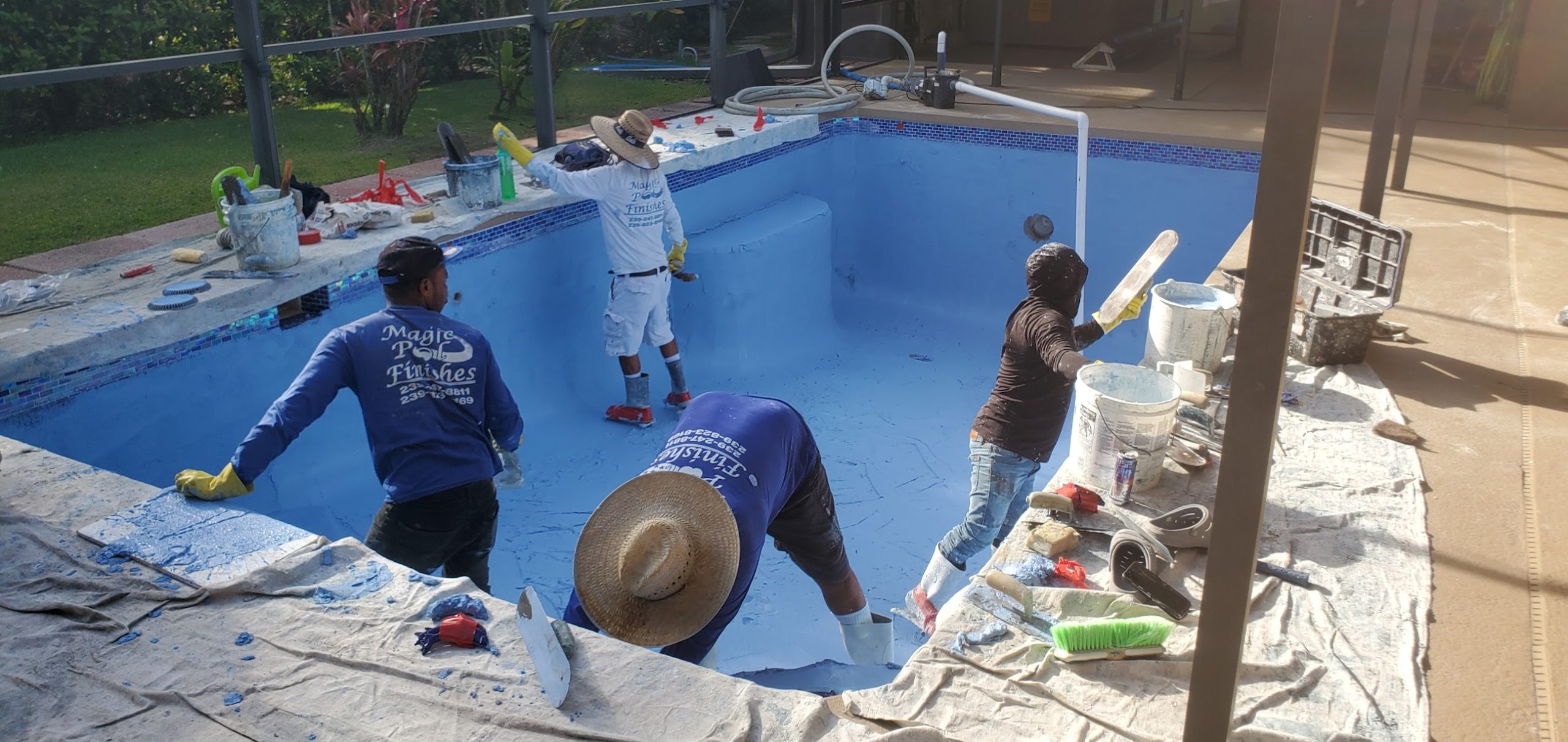
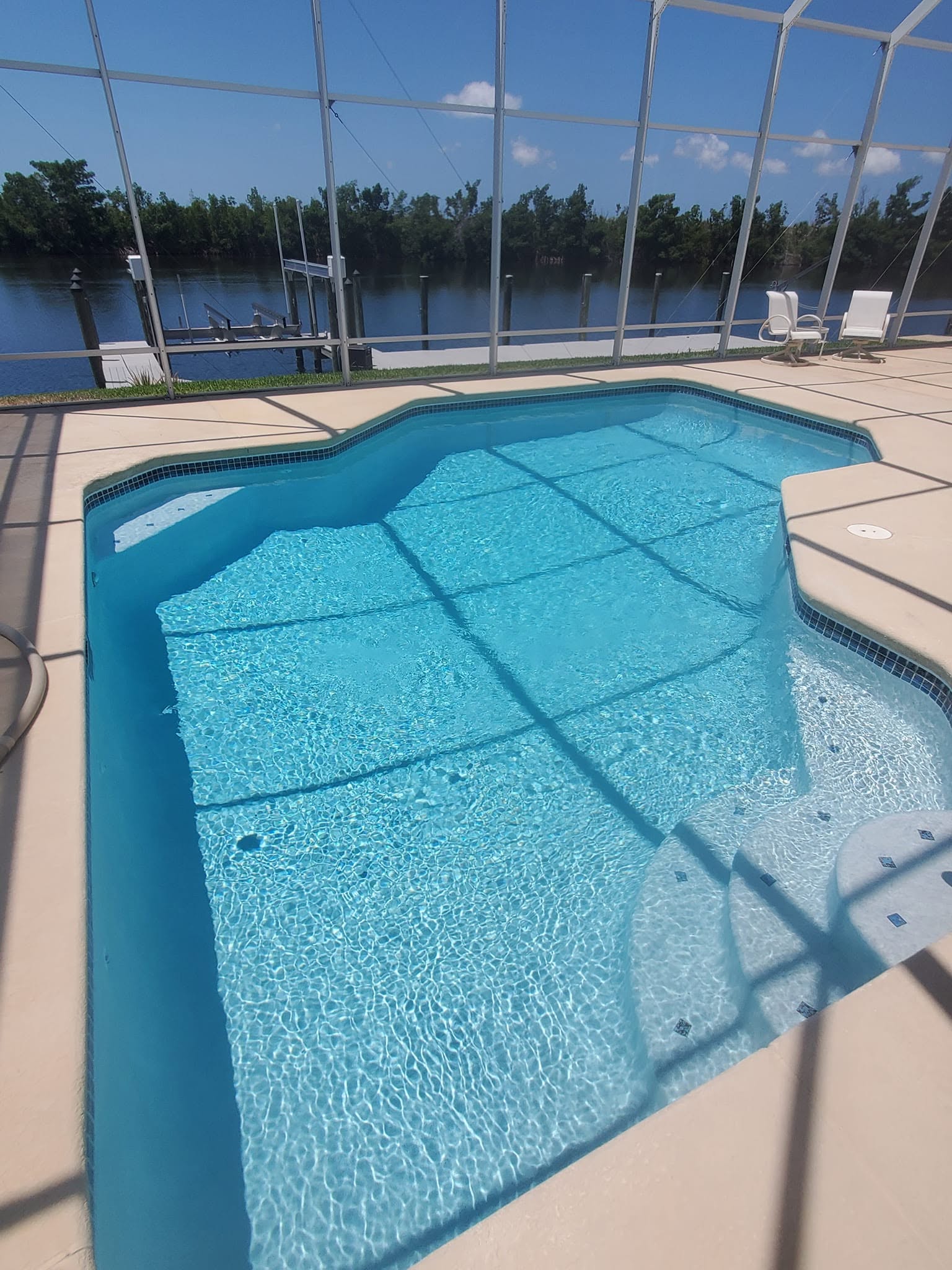
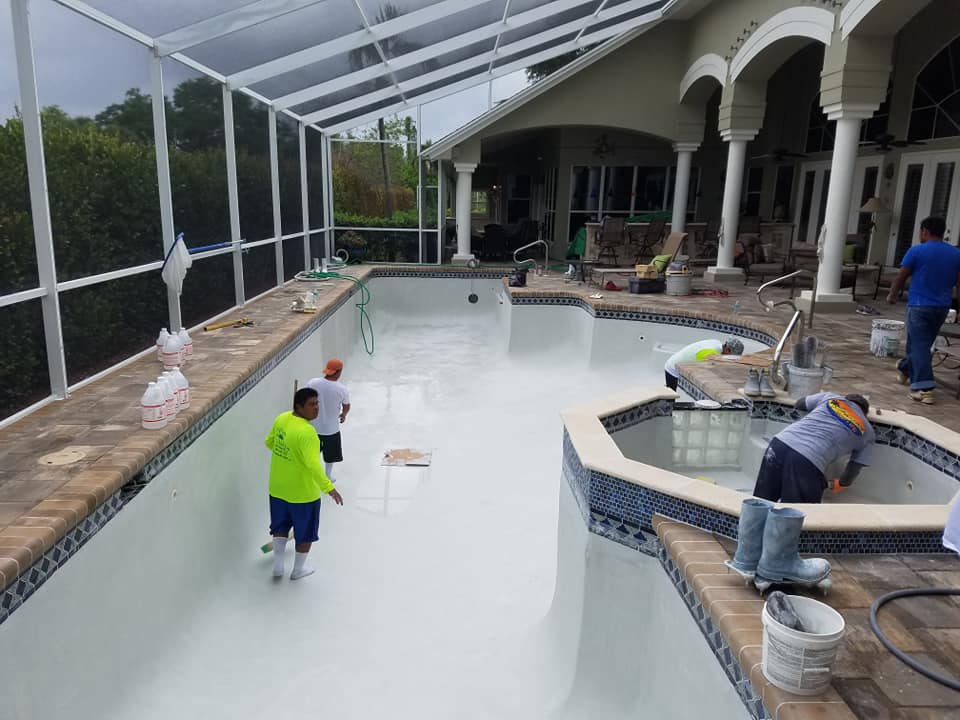
Building a pool from scratch is a different process entirely from anything else Real Nice Pools handles: permits, excavation, plumbing and electrical rough-in, then the shell itself, all before the water ever goes in. Pool Plastering Services in Cape Coral, FL mean managing that full sequence, not just one piece of it, since Lee County reviews setbacks, drainage, and screen enclosure plans before the first shovel goes into the ground.
WHAT CAN WE DO FOR YOU?
Swimming pool construction in Cape Coral is one part of what Real Nice Pools handles, alongside the repair and renovation work that keeps existing pools running well year after year without major issues. Here is the full menu: renovation, pump repair, heaters, filtration, plastering, and swimming pool installation from the ground up, so you can see where a brand-new build fits alongside everything else the company does across the Cape Coral area and the surrounding Lee County market.

Pool renovation handles pools that already exist: resurfacing, structural repair, and updating a shell that has aged out of its original finish over ten or fifteen years of use. It is a different scope than construction entirely, though some renovation jobs turn into near-total rebuilds once the extent of damage becomes clear during the initial site visit.
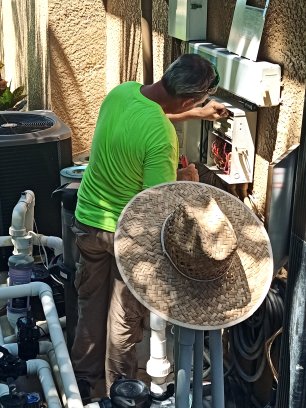
Pool pump repair matters just as much on a new build as an old one, since a new pool still needs the right pump sized to its actual gallon volume from day one, not oversized or undersized, to save money upfront on the build. Getting that sizing wrong at construction means repair calls start within the first year instead of a decade out.

Pool heaters get chosen during construction, not after the fact, since gas lines, electrical runs, or heat pump placement all need to be part of the build plan from the very start of the project, before anything gets poured or finalized. Retrofitting a heater onto a finished pool costs more than deciding on one before the concrete is poured on site.
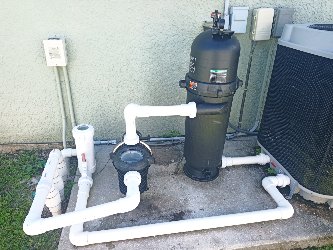
Pool filters on a new build get sized to the pump and the pool volume together, sand, cartridge, or DE, rather than whatever is cheapest or already sitting in a warehouse somewhere waiting to be installed on the next job. That decision made during construction affects maintenance costs and water clarity for years and years afterward.

Pool plastering is the final interior finish applied once the shell itself is built and cured, the last major step before a brand-new pool gets filled with water for the very first time ever. The finish chosen here affects both appearance and how long it will be before the first resurfacing job is ever needed down the road years later.

Pool construction in Cape Coral starts with permitting: Lee County reviews setbacks, drainage, and screen enclosure plans before anything gets excavated on site. The new pool installation moves through excavation, steel and plumbing rough-in, and the concrete shell. In-ground pool construction also has to satisfy Florida’s pool safety statute before final inspection.
LEARN MORE ABOUT US
Pool builders in Cape Coral handle more than pouring concrete and calling it finished. Pool project management means coordinating excavation crews, electricians, plumbers, and inspectors across a timeline that runs several months from permit approval to final walk-through. Commercial pool construction, HOA amenities, hotel pools, and community centers follow a separate code review than a residential build, with different bather-load calculations and accessibility requirements. Pool design and build work starts with the site itself: canal-front lots need seawall setback clearance, drainage routes away from neighboring properties, and screen enclosures get engineered for Florida’s wind load requirements. Coverage runs across Cape Coral and Lee County.
Custom pool builders in Cape Coral work from your actual yard and your actual budget, not a catalog shape that happens to fit the lot next door and gets sold to every other customer who happens to call in that same exact week. Here is what four parts of building custom swimming pools with Real Nice Pools actually look like, from the first site visit through the day the water finally goes in and the whole project is finished for good.
Residential pool construction here means someone walks the property before drawing anything, since drainage, canal proximity, and existing landscaping all shape what actually works on a specific lot.
Luxury pool builders and standard builders go through the same permitting rigor here, with sunshelves, spas, and water features included, not a rushed version of the process because the finishes cost more.
If you have looked at standard pool shapes and none of them fit your yard, a custom pool design starts from the lot’s actual dimensions instead of forcing a shape that wastes usable space.
Every pool contractor on a job holds the same Florida license required for concrete pool construction, not a loose subcontractor arrangement that complicates who is actually accountable.


 Verified
 Verified
 Verified Verified
 Verified
 Verified
 Verified
Real Nice Pools built its pool construction services in Cape Coral with a reputation for managing the full build without handing pieces off to subcontractors nobody has actually vetted beforehand. A backyard pool installation here has to account for canal-front seawall setbacks, Florida’s wind load requirements for screen enclosures, and the Residential Swimming Pool Safety Act’s barrier requirements, all before a permit even gets approved by the county. Skipping steps or rushing the timeline shows up later as drainage problems, cracked decking, or a failed final inspection that delays the entire project by weeks or longer. Every construction quote breaks down site work, materials, and labor separately, so you know what is driving the total cost instead of one number with no explanation behind it at all.
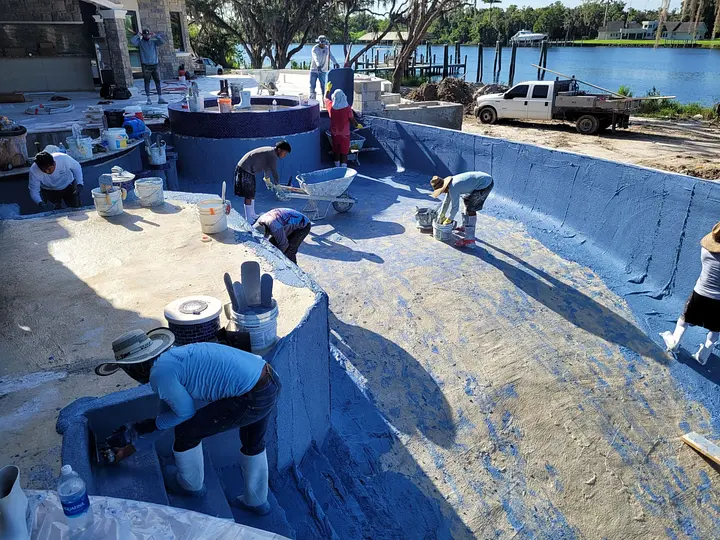
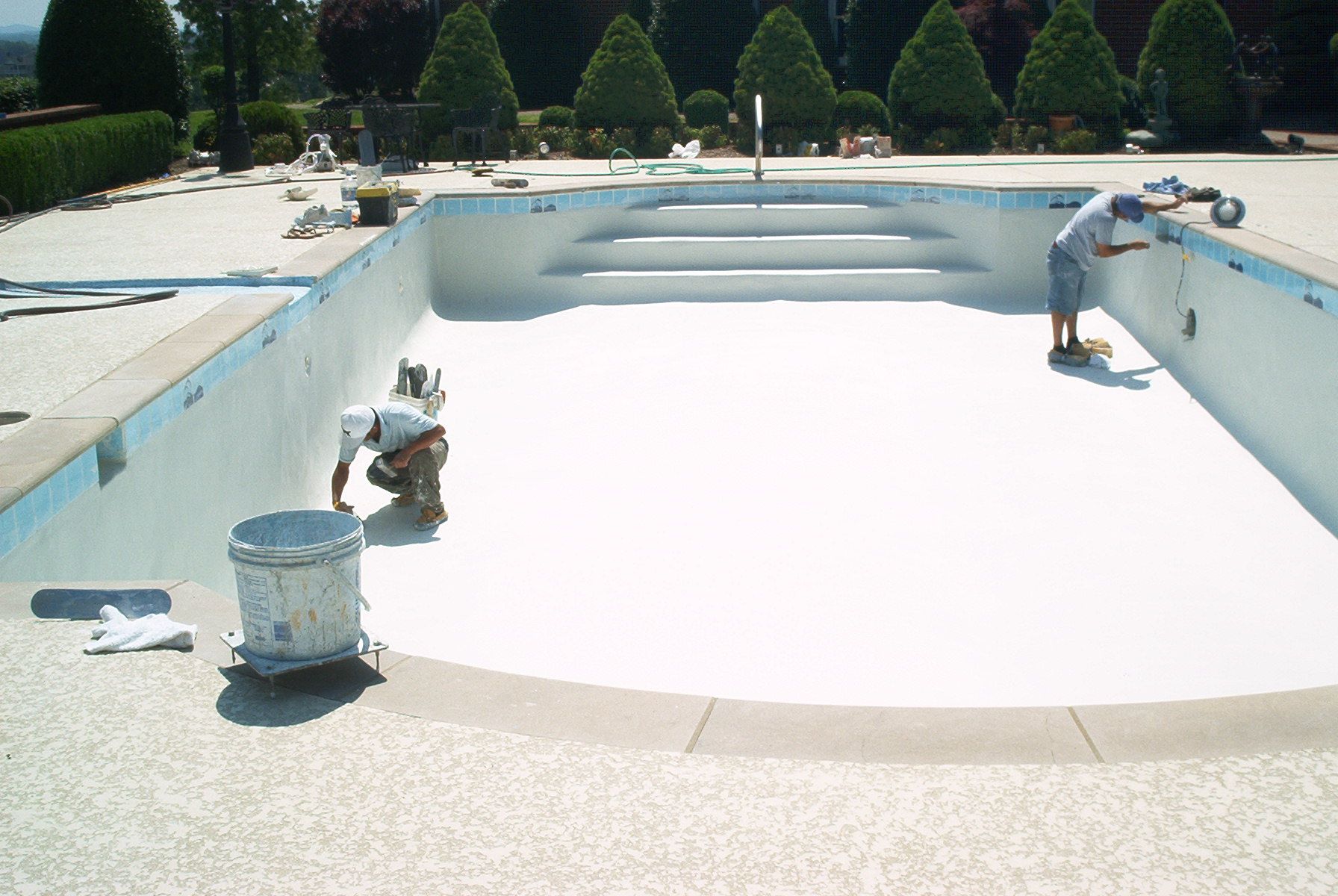
A pool’s plaster is its finish, and in Southwest Florida it takes a beating from sun, heat, and constant water chemistry. Real Nice Pools, Inc. handles pool plastering in Cape Coral for homeowners whose surfaces have gone rough, stained, chalky, or cracked. Our crew preps the shell, applies a smooth, even coat, and guides you through the critical startup period. Whether you’re resurfacing an older pool or finishing a new build, you get tidy work, clear communication, and a finish made to hold up. We also serve neighboring areas around Lee County.
Thinking about swimming pool builders in Cape Coral for a new backyard project? Call (239) 989-6181 and describe your lot: canal-front or inland, current landscaping, and roughly what you are picturing, a simple rectangle, a freeform shape, or a spa or sun shelf included as part of the overall design plan for the whole backyard space. A member of the team can walk through what is realistic for the site, the rough permitting timeline through Lee County, and what the process actually looks like from the first site visit to the final safety inspection before anyone commits to anything or signs a contract for the work. Bring photos of your yard if you have them on hand, since that speeds up the first conversation considerably for everyone involved.
Common signs include rough or scratchy patches, widespread staining, chalky residue, visible cracks, or spots where the surface has worn through. If the finish feels abrasive on your feet or keeps losing its color, it’s likely time for a professional inspection.
Most residential projects wrap up in about a week, though the timeline depends on pool size, shell condition, and weather. Draining, surface prep, and repairs come first. The plaster itself goes on in a single day, followed by refilling.
With balanced water and good care, plaster typically lasts around 10 to 15 years. Premium finishes such as quartz or pebble can last longer. Water chemistry, sun exposure, and how closely the startup guidelines are followed all affect lifespan.
Standard white plaster is the most affordable and has a classic look. Quartz blends add color and better stain resistance. Pebble finishes are the most durable and textured, with a natural look, though they cost more and feel rougher underfoot.
Yes. The old surface must be exposed so it can be inspected, chipped or prepped, and repaired before new plaster is applied. The pool is then refilled right after plastering, which is a key part of curing the finish properly.
For the first few weeks, the new surface needs careful water balancing, daily brushing, and limited chemical additions. Following these steps prevents mottling, scaling, and early roughness. We walk you through the schedule so nothing is left to guesswork.
Yes. We inspect the shell once it’s drained, tap for hollow areas, and repair cracks, loose tile edges, and damaged spots before plastering. Handling these first keeps problems from showing through the new finish later.
Make sure crews can reach the backyard, move furniture and décor away from the pool deck, and plan for the pool to be out of use for a short time. We handle the rest, including draining, prep, application, and refilling guidance.
CONTACT US