If you have searched for pool builders in Cape Coral, you already know the city is one of the best places in Southwest Florida to own a pool, and also one of the trickiest places to build one right. Between the canal system that runs through most neighborhoods, sandy soil that behaves differently than inland clay, hurricane season scheduling, and strict permitting through Lee County and the City of Cape Coral, a pool built here is not the same project it would be somewhere else in the state.
This guide walks through what custom pool construction services in Cape Coral, what drives cost and timeline, how residential and commercial projects differ, what permits and inspections to expect, and what separates an experienced local builder from a crew that just happens to pour concrete.
Why Cape Coral Is a Unique Market for Pool Construction
Cape Coral has more canal miles than almost any city in the country, and that geography shapes pool construction more than most homeowners realize going in.
- Soil and water table conditions vary significantly between canal-front lots and inland lots, which affects excavation, drainage planning, and sometimes the type of foundation a pool needs.
- Salt air and brackish groundwater near canals accelerate wear on certain equipment and finishes, which is why experienced local pool builders in Cape Coral tend to recommend different equipment packages depending on how close a property sits to saltwater.
- Hurricane season, roughly June through November, affects scheduling. A reputable builder will be upfront about weather-related delays rather than promising a timeline they cannot control.
- Local permitting through the City of Cape Coral and Lee County includes specific setback, fencing, and safety barrier requirements that a builder unfamiliar with the area can easily get wrong, leading to failed inspections and delays.
None of this means building a pool here is harder than it should be. It means the builder you choose needs to actually understand these conditions rather than applying a generic statewide approach.
What Swimming Pool Construction Actually Involves
Custom pool construction is a multi-stage process, and knowing the stages helps you evaluate a contractor’s proposal and set realistic expectations.
Design and layout. A builder works with you on shape, size, depth, and features (sun shelves, spas, water features, lighting) based on yard size, existing landscaping, and how you plan to use the pool.
Permitting and engineering. Site plans, structural engineering, and safety barrier plans are submitted to the city or county. This stage often takes longer than homeowners expect, and a builder experienced in Cape Coral’s process can move it along faster than one still learning local requirements.
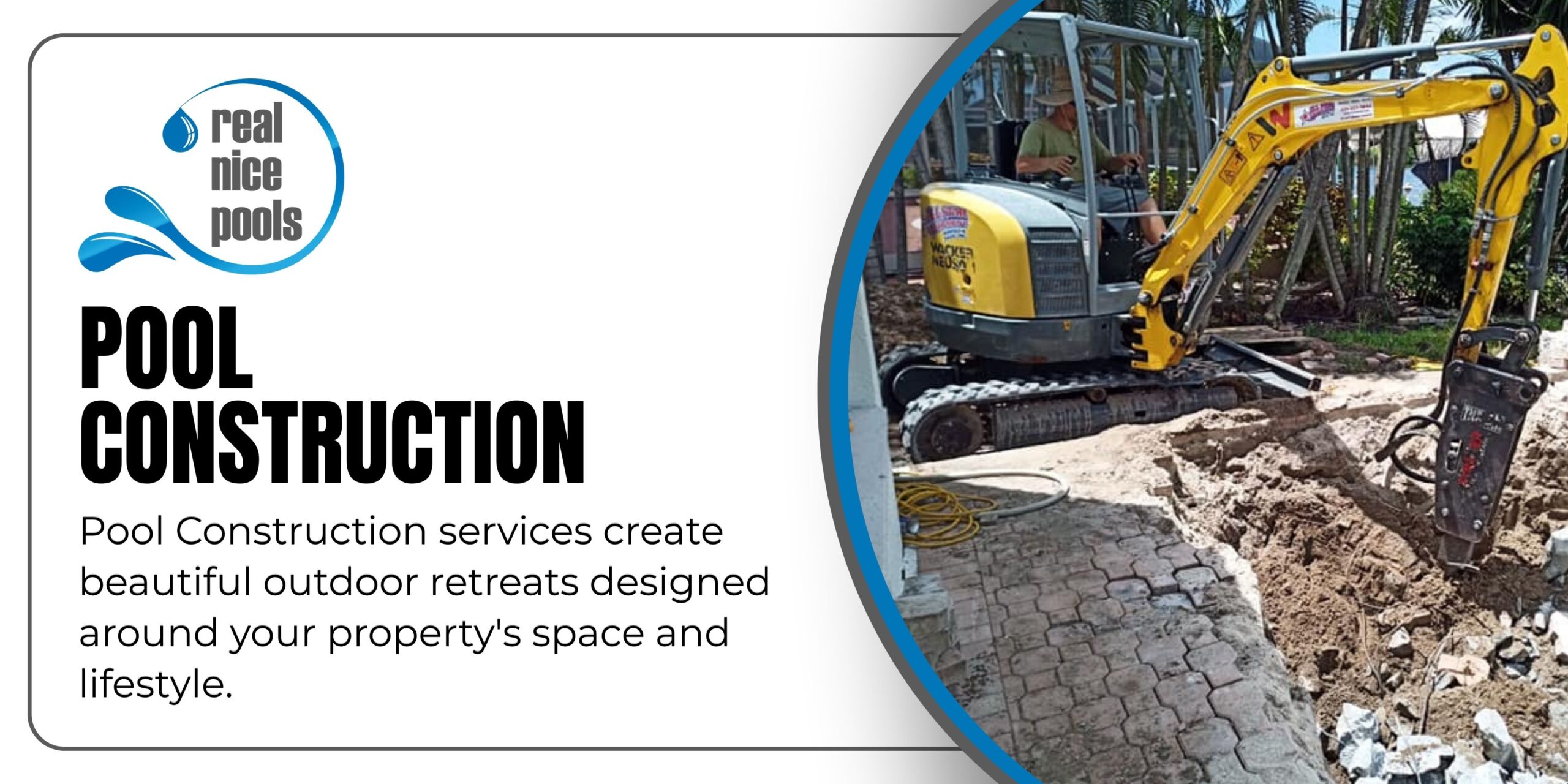
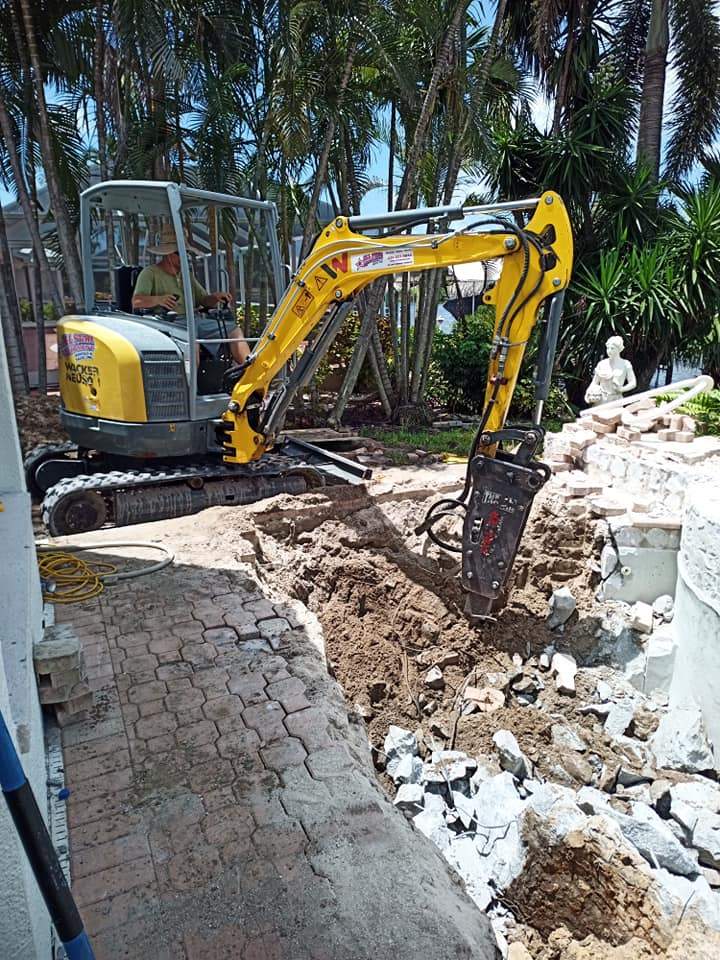
Excavation and steel. The pool shape is excavated, and a steel rebar framework is installed to reinforce the shell before concrete is applied.
Gunite or shotcrete shell. Concrete is sprayed to form the structural shell of the pool, then cured before the next stage begins.
Plumbing and equipment installation. Pumps, filtration, heating, and any automation systems are installed and connected, along with the plumbing lines that run beneath the deck.
Tile, coping, and decking. Waterline tile, coping stones, and the surrounding deck surface are installed, which is where a lot of the pool’s final look comes together.
Interior finish. The interior surface, whether plaster, pebble, or an aggregate finish, is applied last and determines both the pool’s appearance and its long-term durability.
Startup and inspection. The pool is filled, water chemistry is balanced, equipment is tested, and final inspections are completed before the pool is cleared for use.
A transparent builder will walk you through this sequence before you sign anything, including realistic timing for each stage.
Residential Pool Construction in Cape Coral
Most residential projects in Cape Coral fall into a few common categories, and understanding them helps you scope your own project more accurately.
A standard backyard pool, typically a rectangular or freeform design with a shallow end and deeper swimming area, remains the most common request, often paired with a sun shelf for lounging.
A pool and spa combination is popular given the area’s warm climate nearly year round, allowing homeowners to use the spa independently during cooler months.
Lanai and screen enclosure integration is common in Cape Coral given the insect population near canals and preserves, and coordinating pool construction with an enclosure contractor from the start avoids costly rework later.
Water features such as deck jets, bubblers, and sheer descents add a resort feel and are usually easier and less expensive to plan into the original design than to add afterward.
A licensed residential pool builder should also be able to speak knowledgeably about HOA approval requirements, since many Cape Coral neighborhoods require design review before construction can begin.
Commercial Pool Construction in Cape Coral
Commercial pool projects, whether for a condo association, resort, apartment community, or hospitality property, involve a different scope entirely, and this is where the gap between a residential-focused contractor and a full-service builder becomes obvious.
- Commercial pools must meet ADA accessibility requirements, including compliant entry points, which residential builds do not need to account for.
- Larger bather loads require more robust filtration and circulation systems, often with commercial-grade equipment rated for continuous operation rather than residential intermittent use.
- Permitting for commercial pools involves additional health department review beyond standard building permits, since these facilities are subject to public pool regulations.
- Construction phasing matters more for commercial properties, since a community pool often needs to reopen on a predictable schedule to avoid disrupting residents or guests, which requires a builder experienced in managing timelines under that kind of pressure.
A contractor who has only built backyard pools may not be equipped to handle the compliance and scheduling demands of a commercial project, so it is worth asking directly about commercial experience and completed projects in the area.
What Affects Pool Construction Cost in Cape Coral
Cost varies significantly based on several factors, and understanding them helps you evaluate whether a quote is realistic.
Pool size and shape. A larger pool or a highly custom freeform design requires more excavation, more materials, and more labor hours than a standard rectangular design.
Site conditions. Canal-front lots, lots with challenging soil, or properties requiring significant grading or drainage work typically cost more to prepare than a straightforward inland lot.
Interior finish selection. Standard plaster finishes are the most affordable option, while pebble and aggregate finishes cost more upfront but generally last longer and resist staining better in Cape Coral’s water conditions.
Equipment package. Energy-efficient variable-speed pumps, saltwater chlorination systems, and automation packages add cost but often reduce long-term operating expenses, particularly important given the corrosive effects of nearby saltwater.
Additional features. Spas, water features, custom lighting, and expanded decking each add to the total project cost and should be priced individually so you can see where your budget is going.
Any contractor unwilling to break down a quote by these categories, or one quoting a price significantly below every other bid you receive, is worth a closer look before signing.
Permits, Inspections, and What to Expect From the Process
Pool construction in Cape Coral requires multiple permits and inspections, and a builder who handles this correctly will keep the project moving without surprises.
Building permits cover the structural aspects of the pool, including the shell, plumbing, and electrical work tied to equipment.
Safety barrier compliance is required before the pool can pass final inspection, including fencing, gate self-closing mechanisms, and alarm requirements depending on the property type.
Electrical permits are typically required separately for pool equipment, lighting, and any automation systems, and must be completed by a licensed electrician.
Final inspection confirms the pool meets all code requirements before it can legally be filled and used, and skipping or rushing this step can create liability issues down the line.
Ask any builder you are considering how they handle permit delays, since this is one of the most common sources of frustration in pool construction, and a contractor with strong local relationships and experience navigating Cape Coral’s process can often prevent delays before they happen.
Timeline Expectations for a Cape Coral Pool Build
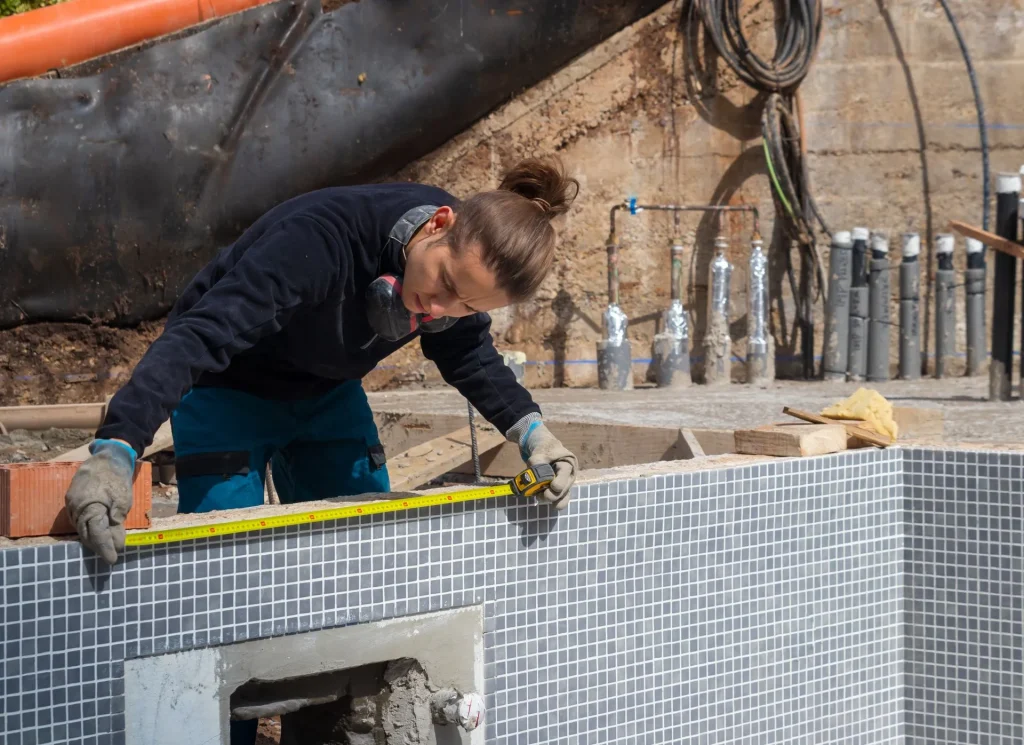
Homeowners consistently underestimate how long a full pool build takes, and setting realistic expectations upfront avoids frustration later. From initial design consultation through final permit approval, the pre-construction phase alone often takes several weeks, largely dependent on how quickly plans move through city and county review. Once permits are approved, excavation through the gunite or shotcrete stage typically moves quickly, often within a couple of weeks under normal conditions.
The curing period between the shell installation and the interior finish is where many homeowners feel timelines slow down the most, since concrete needs adequate time to cure properly before the next stage can begin safely. Tile, coping, and decking work generally follows once curing is complete, with interior finish and startup as the final steps before inspection.
Altogether, a straightforward residential project in Cape Coral often runs several months from signed contract to swimmable pool, while more complex designs, commercial projects, or builds affected by hurricane season delays can extend well beyond that. A builder who gives a specific, stage-by-stage timeline rather than a single vague completion date is generally more trustworthy than one who promises an unusually fast turnaround.
Common Mistakes Homeowners Make When Planning a Pool Build
A few avoidable mistakes come up repeatedly with Cape Coral pool projects, and knowing them ahead of time can save real money and frustration.
Choosing a design before consulting the builder about site conditions, which sometimes means falling in love with a shape or feature that is not practical for a specific lot’s soil or drainage situation.
Underestimating equipment needs to save on upfront cost, then paying more in energy bills or premature equipment failure once the corrosive effects of nearby saltwater and humidity set in.
Skipping the enclosure or lanai conversation until after the pool is built, which often means more expensive retrofitting instead of coordinated planning from the start.
Not asking about warranty coverage on both the structural shell and the interior finish, which typically carry different warranty terms and timelines.
Assuming all interior finishes perform the same way in Cape Coral’s water conditions, when in reality hardness and mineral content in local water can affect how quickly certain finishes show wear.
A short conversation about these points during the design phase, rather than after construction begins, tends to prevent the most common sources of buyer’s remorse.
How to Choose the Right Pool Builder in Cape Coral
A few practical questions separate an experienced local builder from a less reliable option.
Ask to see completed projects in Cape Coral specifically, not just statewide portfolio photos, since local conditions genuinely affect construction decisions.
Confirm licensing and insurance directly, and verify the license is current and applies to pool construction specifically, not just general contracting.
Ask how they handle hurricane season scheduling and what happens to an in-progress project if severe weather is forecast.
Request a written timeline with realistic ranges for each construction stage, rather than a single overly optimistic completion date.
Ask whether they handle both residential and commercial work, which is a good indicator of overall experience and capacity.
A builder who answers these questions clearly and without hesitation is usually one who has been through the process enough times to know exactly what to expect.
Caring for a New Pool After Construction
Once construction wraps up, proper care in the first few months matters more than many new pool owners expect. New plaster and pebble finishes go through a curing period where water chemistry needs closer monitoring than it will require later on. Startup chemicals should be balanced by the builder or a qualified pool service technician rather than guessed at, since an imbalance during curing can affect the finish’s appearance and longevity.
Equipment also benefits from a break-in period. Running new pumps and filtration systems according to the manufacturer’s recommended schedule, rather than immediately maximizing runtime, helps extend their working life. Most reputable builders will walk new owners through a basic maintenance schedule at handoff, covering cleaning frequency, chemical balancing, and what warning signs (cloudy water, unusual equipment noise, tile discoloration) should prompt a service call rather than a wait-and-see approach.
Establishing a relationship with a local pool service company early on, ideally one connected to or recommended by your builder, makes ongoing maintenance simpler and ensures any issues that arise are caught and addressed while still under warranty.
Final Thoughts
Building a pool in Cape Coral is a significant investment, and the local conditions here (canal proximity, permitting requirements, hurricane season, and soil variation) make experience with this specific market genuinely valuable, not just a nice-to-have. The right builder will walk you through design, permitting, construction, and final inspection with clear communication at every stage, rather than leaving you guessing about timelines or costs of google business profile.
Whether you are planning a backyard pool and spa, a full lanai and pool package, or a commercial pool for a community or hospitality property, working with a builder who understands Cape Coral’s specific requirements from day one makes the entire process smoother and the end result more likely to hold up long term.
FAQ
How much does it cost to build a custom pool in Cape Coral?
Cost depends on pool size, site conditions, interior finish, and equipment package, with additional features like spas or water features adding to the total. A detailed quote should break down each of these categories rather than offering a single flat number.
How long does pool construction take in Cape Coral?
A straightforward residential project often runs several months from signed contract to swimmable pool, factoring in design, permitting, construction stages, and curing time. Commercial projects and builds affected by hurricane season can take longer.
Do I need a permit to build a pool in Cape Coral?
Yes, pool construction requires building permits, electrical permits for equipment, and safety barrier compliance before final inspection. An experienced local builder handles this process and can help avoid delays common with unfamiliar contractors.
What is the difference between residential and commercial pool construction?
Commercial pools must meet ADA accessibility standards, use higher-capacity filtration systems, and go through additional health department review beyond standard permitting. Residential pools follow a simpler process focused on standard building and safety codes.
How do I choose a reliable pool builder in Cape Coral?
Look for licensed, insured local builders with completed projects in the Cape Coral area, a clear written timeline, and transparency about hurricane season scheduling. A builder willing to explain their process in detail is usually the more trustworthy option.
What pool finish holds up best in Cape Coral’s water conditions?
Pebble and aggregate finishes generally last longer and resist staining better than standard plaster, particularly given local water hardness and mineral content. A builder can recommend the right finish based on your specific water source and budget.