Cape Coral homeowners don’t buy pool heaters because they’re chasing a luxury. They buy them because Florida winters, mild as they are, can still drop pool water into the low 60s on a January morning, and nobody wants to skip a swim over a ten-degree gap. Whether you’re dealing with a heater that suddenly stopped heating your water, planning a new pool build, or looking at a fifteen-year-old unit that’s finally given up, finding dependable pool heater services in Cape Coral can make the difference between a quick fix and a pool that sits unused for months.
This guide walks through everything a local homeowner actually needs to know: how to tell if your heater needs repair or replacement, what installation really involves in a canal-heavy, salt-air environment like Cape Coral, and how to avoid the most common mistakes that shorten a heater’s life here faster than almost anywhere else in the state.
Why Pool Heaters Struggle More in Cape Coral Than Elsewhere in Florida
Cape Coral’s geography works against pool equipment in a way a lot of homeowners don’t expect. With over 400 miles of canals running through the city, a huge share of local pools sit close to brackish water. That means airborne salt, humidity that rarely drops below 60%, and heavy UV exposure all working on your heater’s cabinet, coils, and electrical components year-round.
A gas or heat pump unit that might run trouble-free for 12 to 15 years in a drier inland climate often starts showing corrosion, control board issues, or refrigerant leaks several years earlier here. This isn’t a reason to avoid heating your pool. It’s a reason to work with a company that understands local conditions and builds maintenance schedules around them, rather than applying a generic national service interval that doesn’t account for salt air.
Pool Heater Repair in Cape Coral: Signs You Shouldn’t Ignore
Most heater failures don’t happen overnight. There’s almost always a warning sign a week or two beforehand, and catching it early is usually the difference between a $200 repair and a $2,000 one.
Common Warning Signs
- Water temperature drops or fails to reach the set point, even after running for hours
- The heater short-cycles, turning on and off repeatedly instead of running a full cycle
- Unusual noises, particularly a loud humming, buzzing, or clicking from the compressor or ignition system
- Error codes displayed on the digital control panel
- Visible rust or corrosion around the cabinet, especially near screws and vents
- A spike in your electric or gas bill with no change in usage
- The pilot light won’t stay lit (gas heaters), or the compressor won’t kick on (heat pumps)
Quick Self-Checks Before You Call
Before scheduling a repair, a few basic checks can save you a service fee if the fix is something simple:
- Confirm the heater is actually receiving power and the breaker hasn’t tripped
- Check that the filter isn’t clogged, since restricted flow can trigger a safety shutoff
- Make sure the thermostat is set correctly, and the heat mode (not just circulation) is selected
- For gas units, verify the gas supply valve is fully open
- Look for any visible blockage in the intake or exhaust vents
If none of these resolve the issue, it’s time to bring in a technician. Continuing to run a heater with an unresolved fault, particularly an ignition or refrigerant issue, tends to turn a minor repair into a compressor or heat exchanger replacement.
Pool Heat Pump Services in Cape Coral: What Sets Them Apart
Heat pumps have become the default choice for most Cape Coral pools, and for good reason. Rather than generating heat directly like a gas heater, a heat pump pulls warmth from the surrounding air and transfers it into the water. Since Southwest Florida rarely sees air temperatures drop below the mid-50s, even in winter, heat pumps run efficiently almost all year.
Why Heat Pumps Fit the Local Climate
- Lower operating cost over a full season compared to gas, since electricity is used to move heat rather than create it
- No propane tank or gas line needed, which simplifies installation on smaller lots
- Quieter operation than most gas heaters
- Better long-term value for pools that are heated regularly rather than occasionally
Where Heat Pumps Fall Short
- Slower to raise water temperature compared to gas, so they’re not ideal for someone who wants to heat the pool for one weekend event
- Efficiency drops on the rare cold snap when air temperature falls into the 40s
- Upfront equipment cost is typically higher than a comparable gas heater
For most year-round Cape Coral residents who keep their pool in regular rotation, a heat pump services itself financially within a few seasons through lower monthly operating costs, even with a higher purchase price.
Pool Heater Installation in Cape Coral: What to Expect
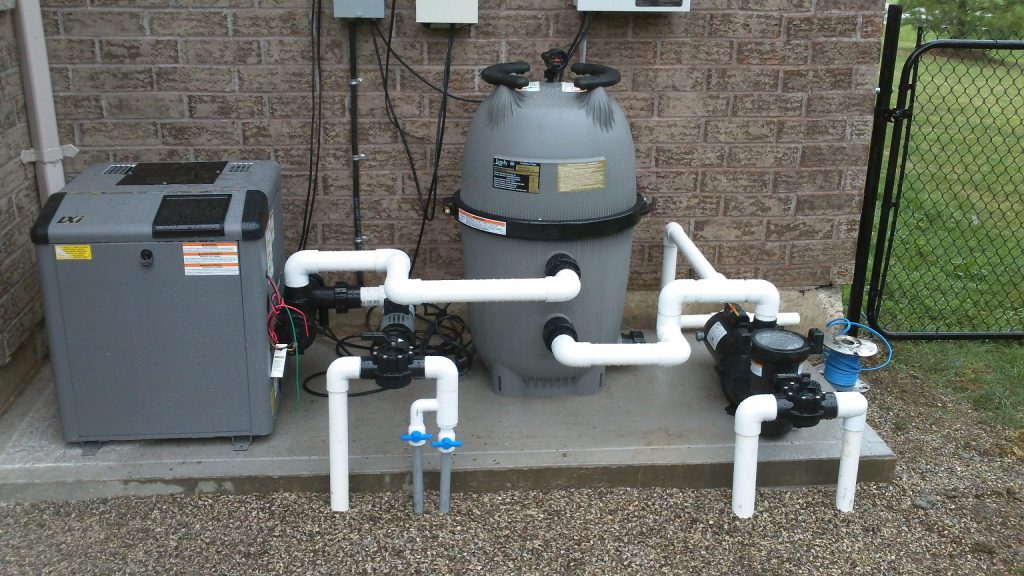
A proper pool heater installation is more than setting a unit next to the pad and connecting a few pipes. Done correctly, it accounts for sizing, local permitting, electrical or gas capacity, and placement that protects the unit from Cape Coral’s weather patterns.
Sizing the Heater Correctly
Undersized heaters run constantly and wear out faster; oversized units cost more upfront than necessary. Proper sizing depends on:
- Pool surface area and average depth
- Whether the pool is screened, shaded, or fully exposed
- Desired temperature rise above ambient air
- Wind exposure, which is a real factor for canal-front and open-lot properties
Permitting and Code Requirements
Cape Coral, like most Lee County municipalities, requires permits for pool heater installation, particularly for gas line work or new electrical circuits. A licensed installer pulls the necessary permits and ensures the setup passes inspection, which also protects your homeowner’s insurance standing and keeps manufacturer warranties valid. Skipping this step to save time is one of the more common and costly mistakes homeowners make with DIY or unlicensed installs.
Placement Matters More in Cape Coral Than People Realize
Because of the salt air and humidity, placement decisions that seem minor elsewhere carry more weight here:
- Keep at least 18-24 inches of clearance around the unit for airflow, per most manufacturer specs
- Avoid placing the heater directly downwind of a canal or open water where salt spray is heaviest
- Use a corrosion-resistant or coated cabinet where possible, especially within a few hundred feet of brackish water
- Elevate the unit slightly on a pad to avoid standing water during Florida’s summer downpours
Pool Heater Replacement in Cape Coral: Repair or Replace?
This is the question almost every homeowner eventually faces, and there’s no single right answer, but there is a reliable way to think through it.
As a general rule, if a heater is past the ten-year mark and facing a repair that costs anywhere close to half of a new unit’s price, replacement is usually the better long-term investment, especially with Florida’s climate accelerating wear on aging components.
Cost Ranges for Cape Coral Homeowners
While exact pricing depends on pool size, brand, and site conditions, local homeowners can generally expect:
- Gas heater repairs: $150-$800 depending on the part
- Heat pump repairs: $200-$1,200, with compressor issues on the higher end
- New gas heater installation: $2,000-$4,500
- New heat pump installation: $3,000-$6,500
Getting a written, itemized quote before any work begins is the best way to avoid surprises, and a reputable local company will walk through the reasoning behind the recommendation rather than just pushing the most expensive option.
Maintaining Your Pool Heater Year-Round in Cape Coral
Since Cape Coral pools tend to get used in every season, heaters here work harder than in most parts of the country. A little routine maintenance goes a long way toward avoiding mid-season breakdowns.
- Rinse the exterior cabinet periodically to remove salt residue, especially for canal-front homes
- Keep landscaping and debris clear of the intake and exhaust vents
- Have the unit professionally inspected at least once a year, ideally before the fall temperature drop
- Watch chemical balance closely, since improperly balanced water accelerates internal corrosion
- Don’t ignore small error codes, since they often signal a developing issue rather than a random glitch
Choosing a Pool Heater Service Company in Cape Coral
Not every company advertising pool heater services actually specializes in heaters specifically. Pool cleaning and heater repair require different skill sets, and a technician who’s excellent at chemical balancing isn’t automatically qualified to diagnose a refrigerant leak or a failed control board. When vetting a local provider, look for:
- Manufacturer certifications for the brands they install and service
- Proper licensing for gas and electrical work where applicable
- Transparent, itemized pricing before work begins
- Local reviews that specifically mention heater work, not just general pool cleaning
- A willingness to explain the repair-versus-replace decision rather than defaulting to the most expensive fix
A company that’s upfront about these details and understands how Cape Coral’s climate specifically affects equipment is generally a safer long-term partner than one that works from a generic, one-size-fits-all script.
FAQ
How long do pool heaters last in Cape Coral, FL?
Most pool heaters last 10-15 years elsewhere, but Cape Coral’s salt air and humidity often shorten that to 8-12 years, especially for canal-front homes. Regular maintenance and rinsing the cabinet can help extend the unit’s usable lifespan.
Is a heat pump or gas heater better for a Cape Coral pool?
Heat pumps generally cost less to run year-round in Southwest Florida’s mild climate, making them ideal for regular use. Gas heaters heat faster, which suits occasional or event-based use. The right choice depends on how often you swim.
How much does pool heater repair cost in Cape Coral?
Repairs typically range from $150 to $800 for gas heaters and $200 to $1,200 for heat pumps, depending on the part involved. Compressor and control board issues tend to fall at the higher end of that range.
Do I need a permit to install a pool heater in Cape Coral?
Yes, in most cases. Cape Coral requires permits for pool heater installations involving gas lines or new electrical circuits. A licensed installer handles this process and ensures the work passes inspection.
Why does my pool heater keep shutting off?
Short-cycling is often caused by a clogged filter, low water flow, a tripped breaker, or a failing sensor. If basic checks like the filter and breaker don’t resolve it, a technician should inspect the unit before the issue worsens.
When should I replace my pool heater instead of repairing it?
If the unit is over 10 years old and the repair cost approaches half the price of a new heater, or it’s had multiple failures in the past two years, replacement usually makes more financial sense long term.